
Peterson Solutions in Navarra 360°
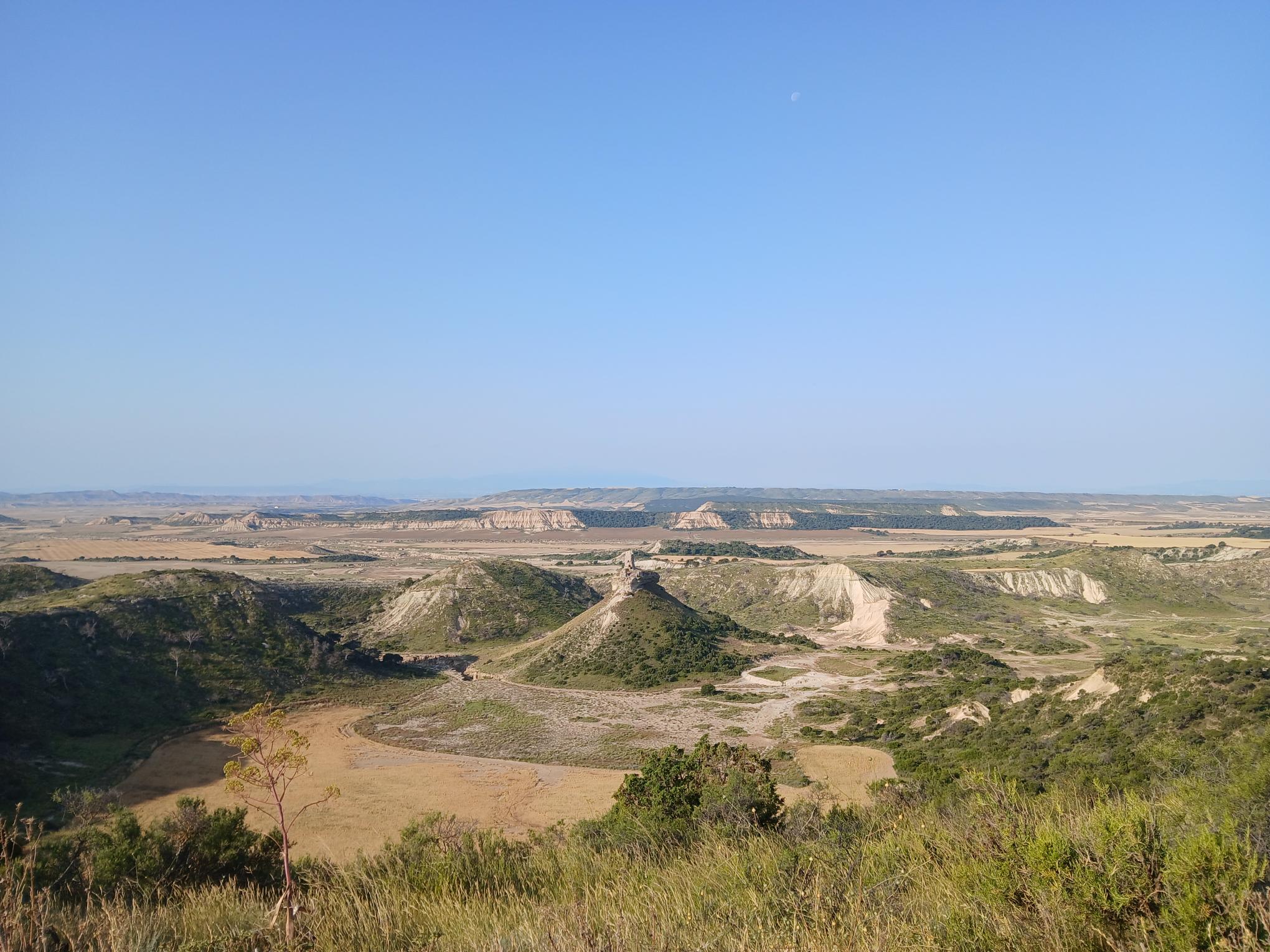
When EIT Food launched Navarra 360°, its first landscape project in Europe to drive regenerative agriculture at territorial scale, it needed more than funding and political will. It needed people in the field: agronomists able to sit down with each farmer, analyse their soils, design a transition plan adapted to their reality and support them season after season. That is the role Peterson Solutions has played in this project since 2024.
Our Regenerative Agriculture team works on the ground (supporting EIT Food) with the programme’s 38 farmers, combining technical consulting and agronomic advice with data analysis. The result after the first year: more than 5,000 hectares in transition, more than 700 soil analyses completed and measurable reductions in fertilisers, pesticides and greenhouse gas emissions, while maintaining good crop yields.
The project: what Navarra 360° is and who is behind it
Navarra 360° is a pioneering European programme that validates regenerative agriculture at landscape scale. Coordinated by EIT Food (the world’s largest and most dynamic food innovation community, backed by the European Union) and co-funded by Intermalta, Cargill, Danone Ecosystem and Alpro, the project is investing €3 million over three years (2024–2027) to support farmers in Navarra in transitioning their crop rotation systems: wheat, barley, oats, rapeseed and sunflower.
What makes Navarra 360° unique is not just the investment, but the approach. It is not about each farmer changing their practices on their own. The programme brings producers, cooperatives, researchers, public institutions and raw-material buyers around the same table, with shared objectives and a common measurement system that tracks a wide range of indicators related to soil health, biodiversity, water use, carbon footprint and social and economic variables.
As EIT Food explained at the presentation of the first-year results, the goal is to promote resilient agriculture that regenerates soils, strengthens farmers, contributes to food security and makes it possible to produce quality food in a sustainable and profitable way.
Project design: a landscape and value-chain approach
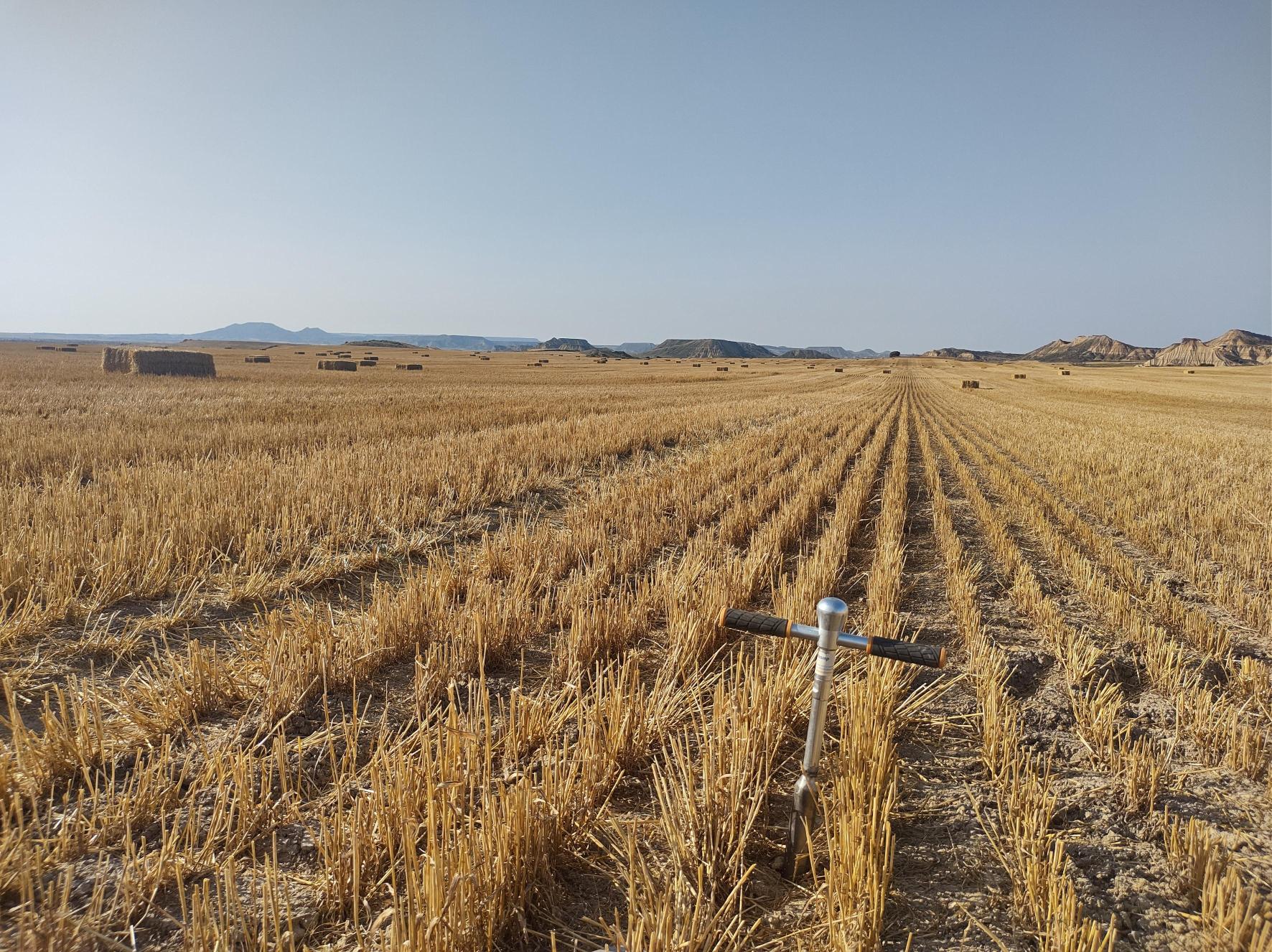
Navarra 360° starts from a simple idea: the regenerative transition cannot be achieved farm by farm. Soils, water and biodiversity do not respect field boundaries, and the risks threatening production (drought, erosion, input price volatility) are shared across the territory. That is why the project was designed as a landscape initiative, EIT Food’s first together with Food Innovation Hub Europe: a specific territory, with defined crops and rotations, where all stakeholders work towards common objectives.
The second pillar of the design is the value chain. The companies co-funding the project (Intermalta, Cargill, Danone Ecosystem and Alpro) buy cereals and oilseeds in the region. For them, sourcing raw materials produced with a lower carbon footprint and on healthier soils is a way to advance their own decarbonisation targets and secure their long-term supply. For farmers, that interest translates into technical support, training and premiums linked to the adoption and verification of practices, so they do not bear the cost and risk of change alone.
That balance only works if everyone measures the same thing. That is why the project combines a common transition protocol, SAI Platform’s Regenerating Together framework, with a shared monitoring, reporting and verification system, so that results obtained in the field are credible for farmers, for industry and for institutions.
Peterson Solutions knows both ends of that design well. In the field, it translates landscape objectives into plot-by-plot transition plans. And its experience with cooperatives, traders and buyers allows it to understand what industry needs to decarbonise its supply chain and turn that into viable, profitable practices for farmers.
Why Navarra needed this project
Navarra has a silent problem. Soil degradation, aggravated by decades of intensive farming on sloping land with irregular rainfall, is undermining the region’s productive capacity. Studies by the University of Navarra confirm that in several agricultural areas the erosion rate exceeds sustainable limits.
The figures speak for themselves: in Navarra, 90% of the area under arable crops is concentrated in barley (around 60%) and soft wheat (32%). Such poorly diversified rotations weaken biodiversity and soil health. In 2023, drought wiped out 21% of the harvest compared with 2021. And chemical inputs, especially fertilisers, account for around 20% of production costs in crops such as oats.
On top of this comes an increasingly demanding regulatory context. Royal Decree 1051/2022 of 27 December on sustainable nutrition in agricultural soils requires, from 1 January 2026, nutrient inputs to be recorded in the farm logbook, requires a fertilisation plan integrated into that logbook to be drawn up during 2026, and makes it mandatory to calculate the nitrogen and phosphorus requirements of each crop. At European level, the Farm to Fork Strategy sets a reduction in fertiliser use of at least 20% by 2030. These are not just good intentions: there are concrete deadlines.
In this scenario, farmers need more than a guideline. They need someone to help them understand their soils, calculate exactly how much to fertilise and with which products, and do so in compliance with regulations while seeking greater profitability.
What we do on the ground
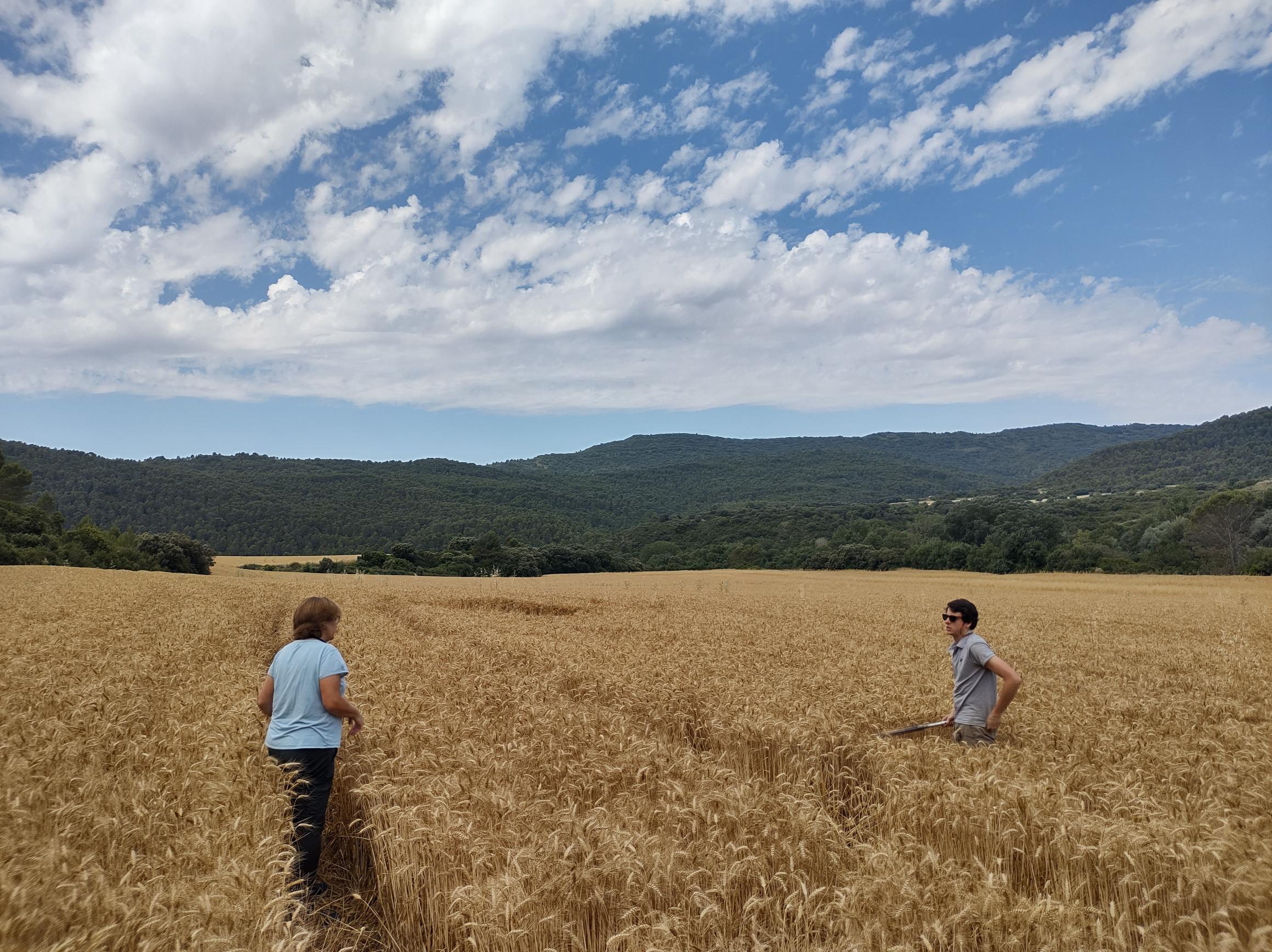
Peterson Solutions acts as the field technical partner of Navarra 360°. In practice, this means our agronomists are the visible face of the project for farmers: they visit the plots, take samples, interpret soil analyses and design, together with each producer, a realistic transition plan.
Our approach is holistic: it ranges from soil management and crop monitoring to fertilisation interventions and minimising the impact on greenhouse gas (GHG) emissions, among other lines of work. All of this is aligned with the SAI Platform Regenerating Together Framework, which the project adopts as its transition protocol, and results are measured against the project KPIs in seven impact areas: healthy and productive soils, fertiliser use efficiency, crop protection, water efficiency, biodiversity, crop diversity and emissions reduction.
The workflow we have built follows a clear logic: soil sampling → fertility diagnosis → modelling of soil N content with our OptiN-Fert model to design fertilisation rates → farmer training and advice → informed decision-making → direct impact on the project KPIs. This chain turns laboratory data into field decisions that farmers can apply in the following season.
At the first-year results event, held in February 2026 at the Baluarte Congress Centre and Auditorium in Pamplona before the entire project ecosystem, our agronomists presented the field support protocol and the monitoring system for implemented practices, alongside measurement partners IMPROVIN and REGROW. It was not a theoretical presentation: it described how we work plot by plot with 38 farmers spread across Navarra.
Beyond analysis: training, tools and regulation
Peterson Solutions’ work in Navarra 360° does not end with the soil diagnosis and the transition plan. Our team also takes part as speakers in the project’s training programme, with practical sessions for farmers on sustainable fertilisation, compliance with Royal Decree 1051/2022 on sustainable nutrition, nitrogen balance applied to their plots and the use of digital tools such as SATIVUM, a SIEX-compatible digital logbook, to plan data-driven fertilisation.
These training sessions are not generic talks. They are built on the project’s real data, the soil analyses from each season and the NPK balances calculated plot by plot, and are complemented by the experience of participating farmers, who share first-hand how they are applying transition practices on their farms.
With the new regulatory obligations already in force, farmers need concrete technical support to comply without losing competitiveness. Peterson Solutions provides that translation: from the legal text to action in the field, via the digital tool that makes it traceable. These sessions are part of a broader training programme that in 2025 delivered more than 24 hours of specialised training on topics such as sustainable fertilisation, carbon credits and rotation diversification, among others. In addition, more than €96,000 in premiums linked to the adoption and verification of regenerative practices were channelled to farmers.
The first-year numbers
Navarra 360° is not a project of intentions. Every practice is measured, every result is verified. During 2025, the first full year of implementation, the data show that it is possible to produce as much or more with fewer inputs.
In wheat and barley, the use of mineral fertilisers fell sharply: 45–47% less nitrogen, 63–75% less phosphorus and 30–75% less potassium. Pesticide use fell by 25% in wheat and by up to 44% in barley. This lower dependence on inputs has a direct effect on the climate: nitrogen fertiliser is one of the main sources of emissions in cereal production, both from its manufacture and from nitrous oxide emissions after application. As a result, by adjusting fertilisation, greenhouse gas emissions per tonne of cereal produced were almost halved, exceeding the project’s 30% emissions-reduction target.
All while maintaining good crop yields. This is no small result: it shows that regenerative agriculture does not require sacrificing productivity, but rather optimising the use of resources.
The scale of the fieldwork underpins these results: 38 participating farmers, more than 5,300 hectares under monitoring, more than 60 individual transition plans designed and implemented, 235 sampling points for fertility and carbon, 39 additional points for microbiology, and more than 700 complete analyses covering macronutrients, micronutrients, soil properties and microbial biodiversity. Together they form one of the most comprehensive soil health baselines in the region.
A project that is already being recognised
The work is attracting attention beyond Navarra. Navarra 360° received a Peterson Sustainability Award in 2025 and was selected by the Instituto Cerdà in 2026 as one of the 20 leading innovations in the consumer goods sector in Spain. In July 2026 EIT Food published a full impact story on the project, and the European Institute of Innovation and Technology itself covered the February 2026 results presentation, explicitly mentioning the participation of Peterson’s agronomists in the event.
Beyond the awards, what best reflects the impact of the work is the experience of the farmers themselves. As one of the cereal growers from Cascante taking part in the programme put it: he has been practising direct seeding for two years now, the results have been positive, and he acknowledges that if he had been on his own, it would have been much harder.
The ecosystem that makes change possible
Navarra 360° works because no one works alone. The project brings together a complete chain of stakeholders, each contributing what they do best.
EIT Food coordinates the overall strategy and connects the project with its European Resilient Agriculture portfolio. Intermalta, Cargill, Danone Ecosystem and Alpro take part as industry partners that buy raw materials from the region and have a direct interest in more resilient supply chains. IMPROVIN provides the monitoring platform and REGROW a model for calculating soil carbon sequestration; together with tools such as the Cool Farm Tool and actual carbon measurements, they make up the project’s MRV system. The research institutions (INTIA, Neiker and the Public University of Navarra) and the technical trainers (Agracon, Sustraiak and Suelo Activo) contribute applied knowledge. And cooperatives, financial institutions and the Government of Navarra support the project on the ground.
Peterson Solutions’ role within this ecosystem is to connect data with field decisions: translating soil analyses, digital tools and the regulatory framework into recommendations that each farmer can apply in their next season.
That is probably the most important lesson of the project. As Cargill stressed at the Baluarte event, the key to scaling regenerative agriculture lies in direct collaboration with farmers, practical agronomic support and credible measurement systems. Navarra 360° shows that the transition works when every link in the value chain takes part, not just the producers.
What comes next: 2026–2027 and beyond
For 2026–2027, Navarra 360° plans to formalise its territorial model, strengthen its scientific base with new sampling campaigns, launch pilots on biodiversity, sustainable fertilisation and the social dimension of the transition, and assess continuity scenarios beyond 2027.
The experience gained in Navarra is already travelling. In 2025 EIT Food launched Lower Silesia 360° in Poland, where resilient agriculture practices are expected to reach more than 20,000 hectares and 200 farmers, applying the lessons learned from the Navarra model.
For our team, the way forward is clear. The knowledge we generate on the ground each season, in nutrient management, soil health, nitrogen balance, digital tools, regulation and emissions quantification, strengthens our ability to replicate this model in other European landscapes and with other players in the agri-food chain.
“Understanding the biological component of the soil is crucial to understanding nutrient cycling in the soil and thus optimising crop nutrition, which will have a positive environmental impact and, above all, a positive economic impact on the farmer’s bottom line.”
— Regenerative Agriculture Team, Peterson Solutions
If this first year of Navarra 360° shows anything, it is that the regenerative transition moves forward when farmers have reliable data, practical advice and a technical team that speaks their language. Peterson Solutions will continue to be there, season after season.
Public sources
All information in this article comes from official, published and verifiable sources, and from Peterson Solutions’ own technical documentation.
- Navarra 360°: proving resilient agriculture starts with the whole landscape – EIT Food, July 2026
- Navarra 360° Unveils First-Year Results – EIT Europe, February 2026
- Navarra 360° consolidates more than 4,000 hectares under regenerative transition and activates its 2026–2027 roadmap – EIT Food, February 2026
- Resilient Agriculture Portfolio: Navarra 360 – EIT Food Projects
- EIT Food, Foodvalley and Food Innovation Hub Europe launch their first landscape initiative – EIT Food, 2024
- Navarra 360° – Danone Ecosystem
- Royal Decree 1051/2022 of 27 December on sustainable nutrition in agricultural soils (Real Decreto 1051/2022) – BOE-A-2022-23052
- Presentation “Sustainable fertilisation – Navarra 360°”, Peterson Solutions, September 2026