
RTRS Amsterdam: Three Shifts That Will Define Soy Sustainability in 2026 and Beyond
By Diego Cybulka- Certifications Manager
and Andrea Ferrazzo- Global Commercial Lead
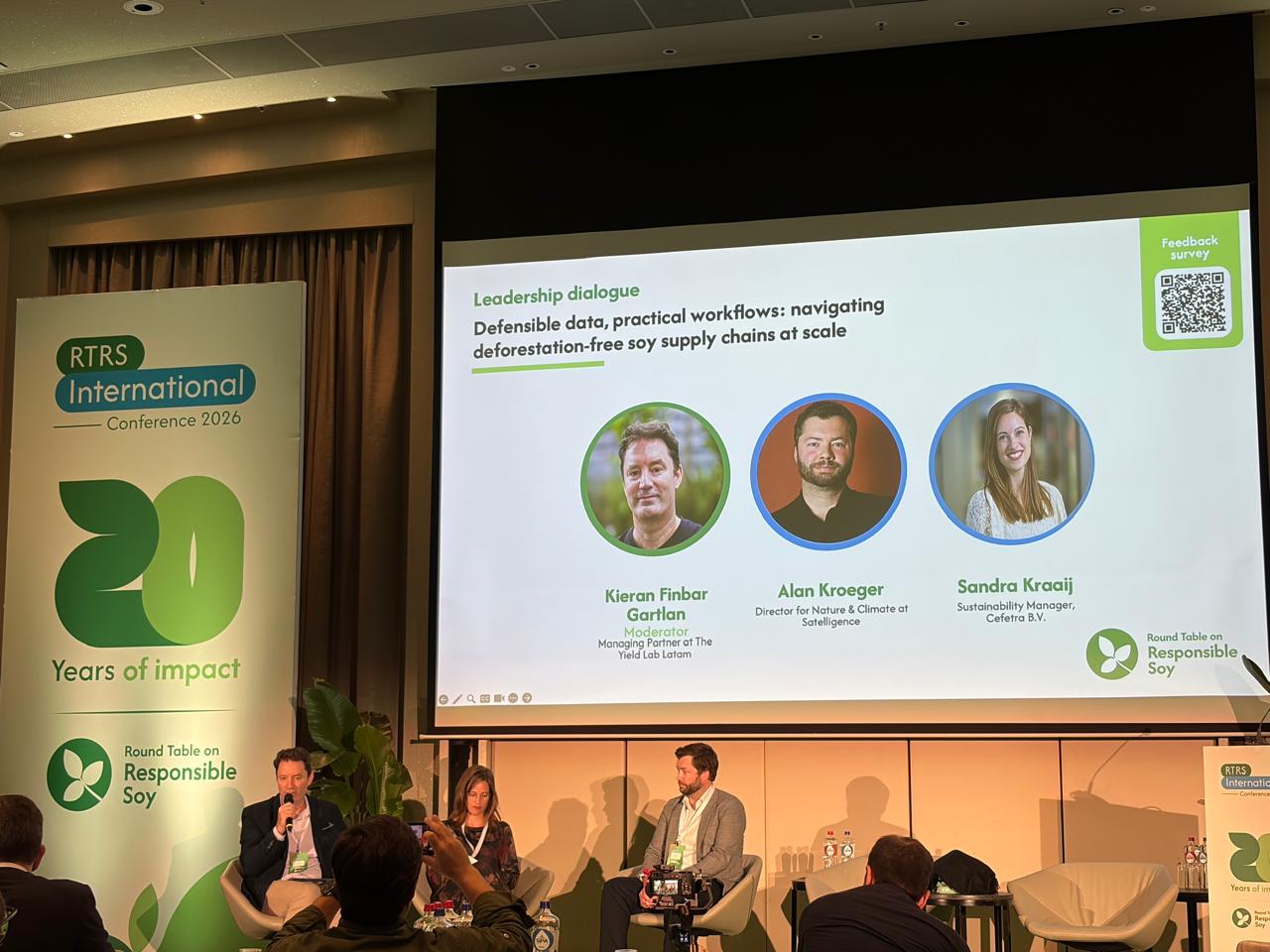
Last month, our team was in Amsterdam for the Roundtable on Responsible Soy (RTRS) event and the conversations we had suggest the soy industry is at an inflection point. EUDR compliance, regenerative agriculture, and carbon programs are no longer “nice-to-haves.” They’re moving to center stage. Here’s what we learned, and why it matters for your supply chain strategy.
The Real State of Play: What RTRS Revealed
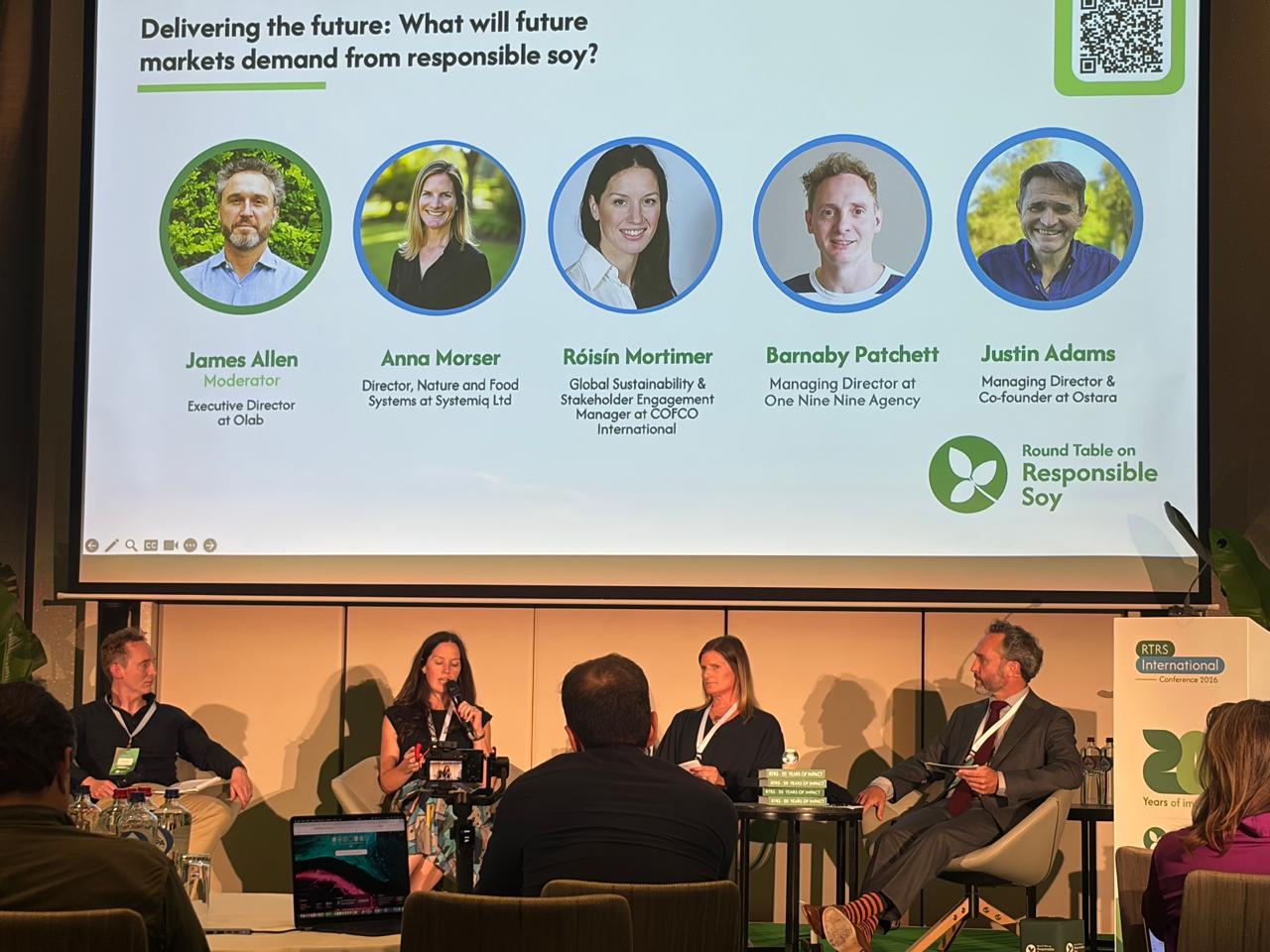
The RTRS event wasn’t just another sustainability conference. It was a reality check on what’s coming. Regulators, traders, retailers, and producers gathered to discuss three shifts that will reshape how soy is sourced, verified, and marketed over the next few years.
We want to share these insights with you because they directly affect how companies are and should be approaching their soy sourcing strategies right now.
1. EUDR Isn’t Coming: It’s Here. And Certification Systems Need to Adapt.
This was the elephant in the room, and everyone was staring at it.
RTRS is moving beyond advocacy mode into active support mode. The organization is launching a series of pilot initiatives before year-end to test how voluntary certification systems can work alongside and support EUDR compliance. Think of it as a bridge between market-leading sustainability standards and regulatory requirements.
Here’s the significant part: Control Union and Peterson Solutions have been invited to help develop and execute these pilots. This is an opportunity to shape how third-party certification actually supports EUDR implementation at scale.
The broader message from RTRS to EU member states? Credible certification systems should be recognized as tools for regulatory compliance. It’s not a given, it’s something the sector has to argue for and demonstrate.
What This Means for You
If you’re sourcing soy into the EU, EUDR readiness isn’t a 2026 problem anymore. It’s a 2024-2025 problem. And if you’re working with certified soy, understanding how that certification maps to EUDR requirements is now table stakes.
2. Carbon and Regenerative Agriculture: From Niche to Mainstream
The second major theme was climate. RTRS is building regenerative agriculture and carbon outcomes into its strategic framework and it’s not theoretical.
Pilot initiatives are already running in Brazil and Europe, focused on developing real, measurable methodologies for regenerative practices and environmental impact. Discussions also covered:
- Environmental footprinting across soy supply chains
- Carbon initiatives and low-carbon soy sourcing
- Metrics and verification approaches that work at scale
The shift here is significant: RTRS is treating carbon and regenerative agriculture as core pillars of its future, not sidebar initiatives.
What This Means for You
If you’re thinking about carbon commitments, regenerative sourcing, or sustainability claims around soy, this is the moment to understand where the market is headed. Companies aren’t waiting for perfect standards—they’re building them while sourcing.
3. System Updates: Traceability and Claims Get Tighter
RTRS approved updates to traceability models, physical flow requirements, cut-off dates, and corporate claims. The direction is clear: credibility and market alignment matter more than ever.
These aren’t sexy changes, but they’re important. They’re the technical foundation that allows certification to work alongside regulation.
The Phased Approach: Compliance Now, Sustainability Later
One pattern emerged across every conversation we had: companies are prioritizing EUDR compliance first, then layering in additional sustainability initiatives.
This isn’t pessimistic. It’s realistic. Most organizations are:
- Focused on EUDR readiness – due diligence systems, traceability, compliance processes
- Exploring the next phase – how carbon, regenerative practices, and broader sustainability claims fit into existing sourcing programs
- Taking measured steps – piloting approaches before scaling
The interest in carbon and regenerative agriculture is real and growing. But it’s secondary to regulatory compliance right now. That’s changing, but not overnight.
European Authorities Are Aligning (Slowly)
We also had the chance to speak with representatives from several European competent authorities overseeing EUDR implementation. Key insight: control and enforcement approaches are being harmonized across EU member states.
This is good news and bad news. Good news: greater consistency and clarity for operators placing products on the European market. Bad news: it takes time, and additional discussions are planned for the coming months.
The takeaway? EUDR interpretation will become more uniform, but there’s still room for dialogue and alignment.
How Peterson Solutions Can Help
Peterson Solutions supports organisations in navigating evolving EU regulations and strengthening their soy supply chain compliance.
We help you:
- Assess your EUDR readiness and due diligence systems.
- Align certification systems with regulatory requirements.
- Leverage independent verification and traceability.
- Build credible and compliant supply chain strategies.
The Time to Act Is Now
The RTRS event confirmed something we suspected: the soy industry is in transition. EUDR implementation will dominate for the next 18-24 months, but regenerative agriculture, carbon programs, and enhanced traceability are rapidly moving into position.
Peterson Solutions is here to support your journey toward compliant and future-proof soy sourcing.